Introduction
Jewellery has been an important part of human culture for thousands of years. Across continents and civilizations, people have used jewellery to express beauty, social status, cultural identity, spirituality, and personal style. While jewellery serves a universal purpose, its designs, materials, symbolism, and traditions vary significantly from one region to another.
Different cultures have developed unique jewellery styles influenced by local history, natural resources, artistic traditions, and societal values. Some styles focus on intricate craftsmanship and symbolism, while others emphasize luxury, minimalism, or bold fashion statements. Today, globalization has made these diverse jewellery styles accessible worldwide, inspiring designers and consumers alike.
This guide explores popular jewellery styles around the world, highlighting their origins, characteristics, and continuing influence on modern jewellery fashion.
Why Cultural Jewellery Styles Matter
Jewellery often represents more than fashion.
It can symbolize:
- Heritage
- Identity
- Tradition
- Spiritual beliefs
- Social status
Understanding global jewellery styles helps consumers appreciate the artistry and history behind different designs.
Cultural Expression
Jewellery reflects the values and aesthetics of individual cultures.
Artistic Diversity
Different regions contribute unique techniques and design philosophies.
Global Influence
Many modern jewellery trends draw inspiration from traditional cultural styles.
Indian Jewellery Styles
India has one of the world’s richest jewellery traditions.
Historical Importance
Jewellery has played an important role in Indian culture for centuries.
It is commonly associated with:
- Weddings
- Festivals
- Religious ceremonies
Popular Materials
Indian jewellery frequently uses:
- Gold
- Diamonds
- Emeralds
- Rubies
These materials create luxurious designs.
Traditional Styles
Popular Indian jewellery includes:
- Kundan jewellery
- Polki jewellery
- Temple jewellery
These styles feature intricate craftsmanship and detailed ornamentation.
Modern Influence
Indian-inspired jewellery continues to influence global bridal and luxury jewellery markets.
Chinese Jewellery Styles
Chinese jewellery combines symbolism with elegance.
Cultural Symbolism
Many designs incorporate symbols representing:
- Prosperity
- Longevity
- Good fortune
These meanings add cultural significance.
Jade Jewellery
Jade remains one of the most important materials in Chinese jewellery.
It symbolizes:
- Purity
- Harmony
- Protection
Gold Jewellery
Gold jewellery is highly valued and often gifted during celebrations.
Contemporary Chinese Designs
Modern Chinese jewellery blends traditional symbolism with minimalist aesthetics.
Japanese Jewellery Styles
Japanese jewellery emphasizes simplicity and refinement.
Minimalist Aesthetics
Japanese design principles often focus on:
- Balance
- Harmony
- Simplicity
These concepts influence jewellery creation.
Nature-Inspired Designs
Popular motifs include:
- Cherry blossoms
- Waves
- Leaves
Nature plays a central role in Japanese art.
Modern Japanese Jewellery
Contemporary designers often combine traditional craftsmanship with innovative techniques.
This creates highly distinctive pieces.
Middle Eastern Jewellery Styles
Middle Eastern jewellery is known for luxury and intricate craftsmanship.
Historical Significance
Jewellery has long represented wealth and status throughout the region.
Gold Dominance
Gold remains the preferred material for many Middle Eastern designs.
Benefits include:
- Beauty
- Cultural significance
- Investment value
Elaborate Designs
Middle Eastern jewellery often features:
- Detailed patterns
- Large gemstones
- Ornate craftsmanship
These characteristics create striking visual impact.
African Jewellery Styles
Africa offers extraordinary diversity in jewellery traditions.
Cultural Diversity
Different regions use unique materials and techniques.
Common materials include:
- Beads
- Metals
- Natural materials
Symbolic Meaning
African jewellery often communicates:
- Tribal identity
- Social status
- Life milestones
These meanings strengthen cultural connections.
Beaded Jewellery
Beadwork remains one of Africa’s most recognizable jewellery traditions.
Its vibrant colors and patterns attract global interest.
European Jewellery Styles
Europe has played a major role in jewellery development.
Historical Influence
European styles evolved through:
- Royal courts
- Artistic movements
- Luxury craftsmanship
These influences continue today.
Fine Jewellery Traditions
Europe is known for:
- Diamond jewellery
- Gold craftsmanship
- Luxury brands
These traditions support global demand.
Vintage European Styles
Popular historical influences include:
- Victorian jewellery
- Art Nouveau
- Art Deco
These styles remain highly collectible.
French Jewellery Style
France is synonymous with luxury and elegance.
Sophisticated Design
French jewellery often emphasizes:
- Refinement
- Balance
- Timeless beauty
These qualities contribute to lasting appeal.
High Jewellery Tradition
France remains a leader in luxury jewellery craftsmanship.
Influence on Fashion
French jewellery trends frequently influence global fashion markets.
Italian Jewellery Style
Italy is renowned for exceptional jewellery craftsmanship.
Gold Jewellery Excellence
Italian artisans are especially respected for:
- Gold chains
- Gold bracelets
- Gold necklaces
These pieces often feature superior workmanship.
Artistic Heritage
Italian jewellery reflects centuries of artistic tradition.
Contemporary Luxury
Modern Italian jewellery combines classic elegance with innovative design.
British Jewellery Style
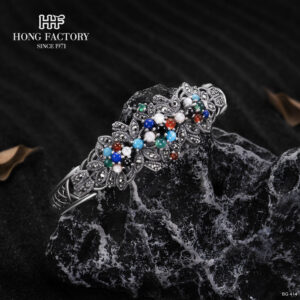
British jewellery often blends tradition with sophistication.
Historical Inspiration
Many British designs draw from:
- Royal influences
- Victorian aesthetics
- Heritage craftsmanship
Gemstone Popularity
Colored gemstones remain highly popular in British jewellery.
Timeless Appeal
British jewellery frequently emphasizes classic elegance over short-term trends.
Scandinavian Jewellery Styles
Scandinavian design has gained international popularity.
Minimalist Philosophy
Scandinavian jewellery often features:
- Clean lines
- Simple forms
- Functional beauty
These qualities align with modern preferences.
Sustainable Practices
Many Scandinavian brands emphasize:
- Ethical sourcing
- Environmental responsibility
These values appeal to contemporary consumers.
Everyday Wearability
Scandinavian jewellery prioritizes practicality and versatility.
Native American Jewellery Styles
Native American jewellery possesses deep cultural significance.
Traditional Materials
Popular materials include:
- Turquoise
- Silver
- Coral
These elements remain iconic.
Symbolic Designs
Jewellery often incorporates:
- Spiritual symbols
- Nature motifs
- Tribal patterns
These features preserve cultural heritage.
Artisan Craftsmanship
Handcrafted production remains central to Native American jewellery traditions.
Latin American Jewellery Styles
Latin America offers diverse jewellery influences.
Cultural Fusion
Designs often blend:
- Indigenous traditions
- European influences
This creates unique aesthetics.
Colorful Gemstones
Latin American jewellery frequently features vibrant gemstones.
Artisan Communities
Many regions maintain strong handmade jewellery traditions.
These communities support cultural preservation.
Oceanic Jewellery Styles
Pacific Island cultures have long traditions of decorative jewellery.
Natural Materials
Common materials include:
- Shells
- Pearls
- Bone
- Wood
These resources reflect local environments.
Symbolic Importance
Jewellery often represents:
- Family connections
- Community identity
- Cultural heritage
Modern Adaptations
Contemporary designers continue incorporating traditional elements.
Global Popularity of Pearl Jewellery
Pearls hold worldwide appeal.
Universal Elegance
Pearls symbolize:
- Sophistication
- Purity
- Beauty
These meanings transcend cultural boundaries.
Regional Variations
Different cultures incorporate pearls into unique jewellery styles.
Modern Versatility
Pearls remain relevant in both traditional and contemporary fashion.
Global Popularity of Gold Jewellery
Gold is perhaps the most universally valued jewellery material.
Why Gold Is Popular
Benefits include:
- Durability
- Beauty
- Investment value
These qualities support worldwide demand.
Cultural Importance
Gold plays significant roles in:
- Weddings
- Religious ceremonies
- Celebrations
Across numerous cultures.
Timeless Appeal
Gold jewellery remains fashionable regardless of changing trends.
Influence of Traditional Jewellery on Modern Fashion
Traditional styles continue shaping contemporary jewellery design.
Design Inspiration
Modern designers frequently reinterpret:
- Cultural motifs
- Historical techniques
- Traditional symbols
These influences create fresh perspectives.
Global Accessibility
Consumers can now access jewellery styles from around the world.
Cross-Cultural Creativity
The blending of cultural influences encourages innovation.
Travel and Jewellery Inspiration
Travel often inspires jewellery purchases.
Souvenirs with Meaning
Jewellery serves as a lasting reminder of experiences.
Cultural Appreciation
Purchasing traditional jewellery supports local artisans and cultural preservation.
Personal Connections
Global jewellery styles help individuals connect with different cultures.
Future Trends in Global Jewellery Styles
Several trends continue to shape the future.
Cultural Appreciation
Consumers increasingly value authenticity and craftsmanship.
Sustainable Production
Ethical practices continue gaining importance.
Personalized Designs
Customization allows cultural influences to become more personal.
Global Inspiration
International design exchange will continue expanding creative possibilities.
Why Global Jewellery Styles Remain Relevant
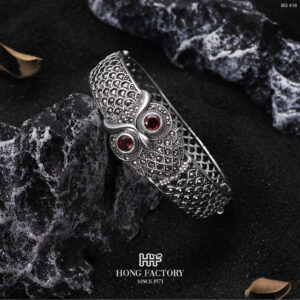
Global jewellery traditions endure because they combine:
- Beauty
- History
- Identity
- Craftsmanship
These qualities give jewellery meaning beyond fashion.
They connect people to culture, heritage, and personal expression.
Conclusion
Popular jewellery styles around the world demonstrate the incredible diversity and creativity of human culture. From the gold-rich traditions of India and the Middle East to Scandinavian minimalism, Native American craftsmanship, and European luxury, each region contributes unique perspectives to the global jewellery landscape.
Understanding these styles allows consumers to appreciate jewellery not only as an accessory but also as a reflection of history, culture, and artistic achievement. As fashion continues to evolve, global jewellery traditions will remain a powerful source of inspiration for designers and jewellery lovers everywhere.