Introduction
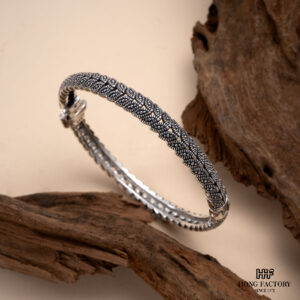
Museums preserve some of the world’s most remarkable examples of art, culture, history, and craftsmanship. Among their treasured collections, jewellery often occupies a special place because it reflects the artistic achievements, cultural values, and technical skills of different civilizations and historical periods. For designers, collectors, and jewellery enthusiasts, museum collections provide endless inspiration. Among the materials most frequently represented in these collections, jewellery silver stands out for its enduring beauty, versatility, and historical significance.
Silver jewellery has been crafted across continents and centuries, appearing in royal collections, ceremonial artifacts, cultural treasures, and decorative masterpieces. Museum exhibitions showcase how silver has evolved through different artistic movements while remaining a highly valued medium for creative expression. These historical examples continue to inspire contemporary designers and collectors alike.
As appreciation for heritage craftsmanship and timeless design grows, museum-inspired silver jewellery remains an important category within the jewellery industry. This article explores how jewellery silver draws inspiration from museum collections and why historical craftsmanship continues influencing modern design.
The Relationship Between Museums and Jewellery
Museums serve as guardians of artistic and cultural heritage.
Jewellery collections help preserve:
- Historical artifacts
- Design traditions
- Cultural symbolism
- Craftsmanship techniques
Silver jewellery plays a significant role within many museum exhibitions around the world.
Why Museum Collections Inspire Modern Jewellery
Museum collections offer insight into:
- Historical aesthetics
- Artistic innovation
- Technical mastery
- Cultural heritage
Designers often study these collections to create contemporary interpretations of classic styles.
Why Silver Appears Frequently in Museum Collections
Silver has historically been valued because of its:
- Beauty
- Durability
- Workability
- Symbolic importance
Its widespread use across civilizations has resulted in countless museum-worthy examples.
The Historical Significance of Silver
Throughout history, silver has been used to create:
- Jewellery
- Religious objects
- Ceremonial items
- Decorative artworks
Many surviving silver artifacts now reside in museums and cultural institutions.
Ancient Civilizations and Silver Craftsmanship
Museum collections often feature silver jewellery from:
- Ancient Egypt
- Ancient Greece
- Ancient Rome
- Persian empires
These pieces reveal early examples of sophisticated metalworking techniques.
Museum-Inspired Ancient Silver Designs
Modern jewellery designers frequently reinterpret ancient motifs such as:
- Scarabs
- Laurel wreaths
- Mythological symbols
- Geometric patterns
Silver remains an ideal material for recreating these timeless influences.
Medieval Silver Jewellery in Museums
Medieval silver jewellery often demonstrates:
- Religious symbolism
- Decorative engraving
- Handcrafted artistry
Museum collections preserve these pieces as examples of historical craftsmanship.
Renaissance Silver Craftsmanship
Renaissance jewellery introduced greater artistic complexity.
Museum collections frequently showcase:
- Intricate engravings
- Gemstone settings
- Symbolic imagery
Silver jewellery from this era continues influencing contemporary design.
Georgian Silver Jewellery Inspiration
Georgian-era jewellery remains admired for its:
- Handcrafted construction
- Romantic motifs
- Elegant detailing
Museum exhibitions help preserve and celebrate these historic designs.
Victorian Silver Jewellery Collections
Victorian jewellery remains one of the most studied museum categories.
Popular themes include:
- Floral motifs
- Sentimental lockets
- Nature-inspired designs
- Mourning jewellery
These pieces continue inspiring modern silver collections.
Art Nouveau Silver Jewellery
Art Nouveau transformed jewellery design through organic forms and artistic creativity.
Museum collections often feature:
- Floral patterns
- Insect motifs
- Flowing curves
- Natural symbolism
Silver proved especially effective for expressing these themes.
Art Deco Silver Jewellery
Art Deco remains one of the most influential design movements.
Museum examples frequently showcase:
- Geometric precision
- Symmetry
- Architectural inspiration
- Bold contrasts
Contemporary silver jewellery often reflects these iconic characteristics.
Museum Collections and Cultural Heritage
Museums preserve silver jewellery from numerous cultures.
Examples include:
- Asian traditions
- European craftsmanship
- Middle Eastern artistry
- Indigenous jewellery
These collections celebrate cultural diversity and artistic achievement.
Silver Jewellery and Traditional Craft Techniques
Museum collections frequently highlight techniques such as:
- Filigree work
- Engraving
- Repoussé decoration
- Granulation
These methods continue inspiring modern artisans.
Filigree Silver Craftsmanship
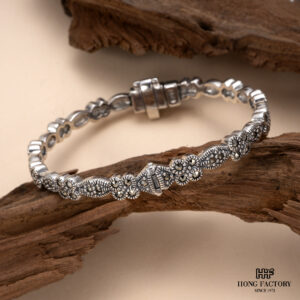
Filigree involves intricate metal wire patterns.
Museum examples demonstrate:
- Exceptional precision
- Delicate artistry
- Technical mastery
Contemporary silver jewellery often incorporates similar techniques.
Hand Engraving and Historical Detail
Engraving has long been used to enhance silver jewellery.
Museum collections feature examples with:
- Decorative motifs
- Family crests
- Symbolic inscriptions
These details continue inspiring personalized jewellery designs.
Silver Jewellery and Museum Replicas
Many museums collaborate with designers to create replica-inspired jewellery.
These collections allow enthusiasts to:
- Wear historical influences
- Appreciate heritage craftsmanship
- Connect with artistic history
Silver remains a preferred material for such creations.
Museum-Inspired Silver Necklaces
Historical necklaces often inspire modern interpretations.
Popular influences include:
- Ancient pendants
- Victorian lockets
- Art Deco medallions
Silver jewellery allows these styles to remain relevant today.
Museum-Inspired Silver Rings
Historic rings frequently influence contemporary collections.
Examples include:
- Signet rings
- Symbolic bands
- Decorative statement rings
Silver adaptations offer timeless elegance and accessibility.
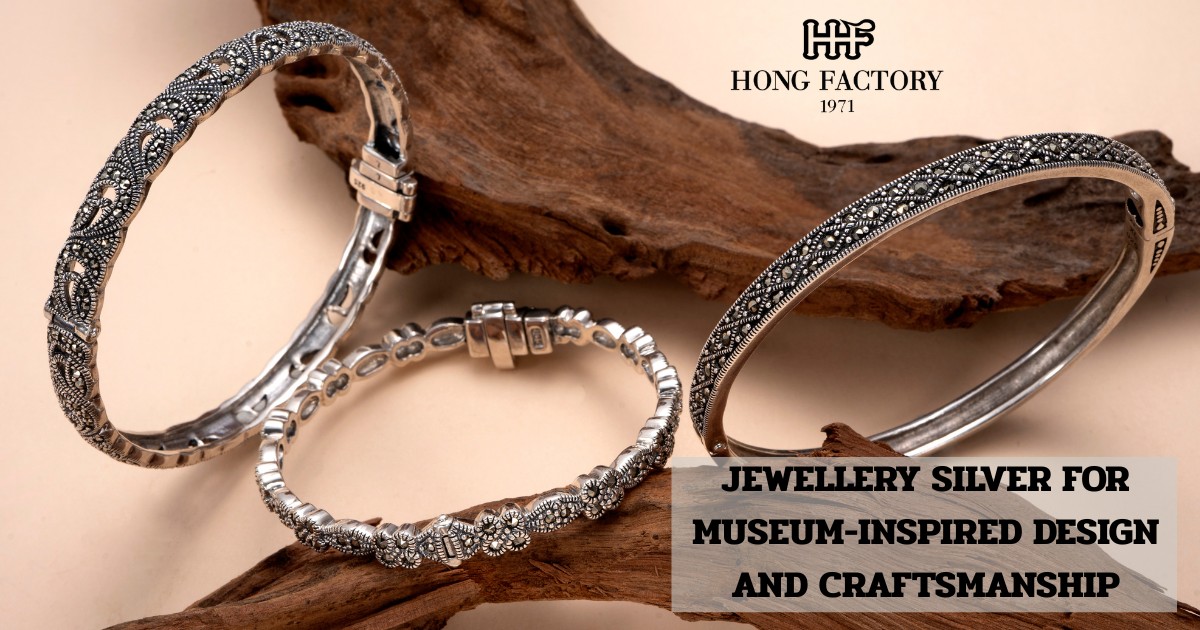
Museum-Inspired Silver Bracelets
Bracelets often reflect historical artistic traditions.
Museum influences may include:
- Engraved cuffs
- Decorative bangles
- Cultural motifs
Silver provides an ideal medium for these designs.
Museum-Inspired Silver Earrings
Earrings often draw inspiration from historical collections.
Examples include:
- Ancient drop designs
- Victorian motifs
- Art Nouveau aesthetics
Silver jewellery helps preserve these artistic traditions.
Educational Value of Museum Jewellery
Museum collections educate visitors about:
- History
- Art
- Culture
- Craftsmanship
Silver jewellery serves as a valuable teaching tool within these contexts.
Silver Jewellery and Artistic Appreciation
Studying museum collections encourages deeper appreciation for:
- Design evolution
- Technical skill
- Cultural symbolism
These insights enhance enjoyment of contemporary jewellery.
Sustainable Inspiration Through History
Museum-inspired jewellery supports sustainability by emphasizing:
- Timeless design
- Long-term value
- Enduring craftsmanship
Silver jewellery naturally aligns with these principles.
Sterling Silver and Historical Quality
Sterling silver contains 92.5 percent pure silver and has been widely used throughout history.
Its benefits include:
- Durability
- Beauty
- Reliability
These qualities contribute to its continued presence in museum collections.
Building a Museum-Inspired Jewellery Collection
Enthusiasts often focus on pieces inspired by:
- Historical eras
- Cultural traditions
- Artistic movements
Silver jewellery offers numerous opportunities for such collections.
Caring for Museum-Inspired Silver Jewellery
Proper maintenance helps preserve beauty and craftsmanship.
Recommended care includes:
- Regular cleaning
- Safe storage
- Gentle polishing
- Protection from harsh chemicals
Well-maintained silver jewellery can remain beautiful for generations.
Future Trends in Museum-Inspired Design
Growing interest in:
- Heritage craftsmanship
- Historical aesthetics
- Sustainable fashion
- Artistic storytelling
continues supporting museum-inspired jewellery design.
Silver remains central to these developments.
Silver Jewellery as Wearable Art
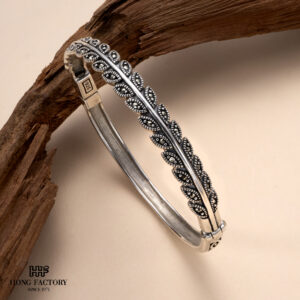
Museum-inspired jewellery bridges the gap between history and modern fashion.
Silver jewellery allows individuals to carry artistic and cultural influences into everyday life while celebrating centuries of craftsmanship and creativity.
Its combination of beauty and historical significance makes it uniquely valuable.
Conclusion
Jewellery silver for museum-inspired design and craftsmanship offers an exceptional combination of artistic heritage, historical influence, and contemporary elegance. Through necklaces, rings, bracelets, earrings, and decorative creations, silver jewellery preserves the legacy of countless civilizations and artistic movements.
Its enduring beauty allows modern wearers to connect with history while appreciating exceptional craftsmanship and design. As interest in heritage, culture, and timeless fashion continues to grow, silver jewellery remains one of the most meaningful and inspiring forms of wearable art.
For collectors, designers, and jewellery enthusiasts seeking a deeper connection to history and craftsmanship, museum-inspired silver jewellery continues to provide endless inspiration and lasting value.