Social media has transformed how jewelry brands communicate, sell, and build identity. Today, jewelry is discovered visually before it is understood intellectually. For silver and marcasite jewelry brands, designing with social media and visual marketing in mind is essential to increase visibility, engagement, and conversion.
This article explores how jewelry design can support social media performance, visual storytelling, and digital brand growth across platforms such as Instagram, Pinterest, TikTok, and online marketplaces. marcasite stone
Why Social Media Shapes Jewelry Design
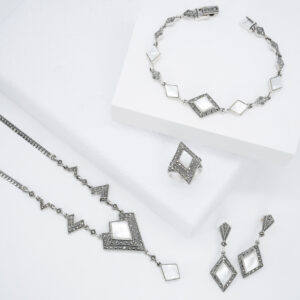
Visual platforms drive first impressions.
On social media, jewelry must:
- Capture attention instantly
- Communicate style without explanation
- Look compelling in small screens and fast scrolling
Design decisions directly affect how jewelry performs online.
Understanding Social Media Visual Behavior
Design must match viewing habits.
How Users Consume Jewelry Content
Most users:
- Scroll quickly
- View content on mobile devices
- React emotionally before logically
Jewelry must read clearly within seconds.
Designing Jewelry That Photographs Well
Photogenic design increases reach.
Key Photographic Design Factors
Jewelry that performs well visually often has:
- Clear focal points
- Strong silhouettes
- Defined contrast between metal and stone
- Consistent surface finishes
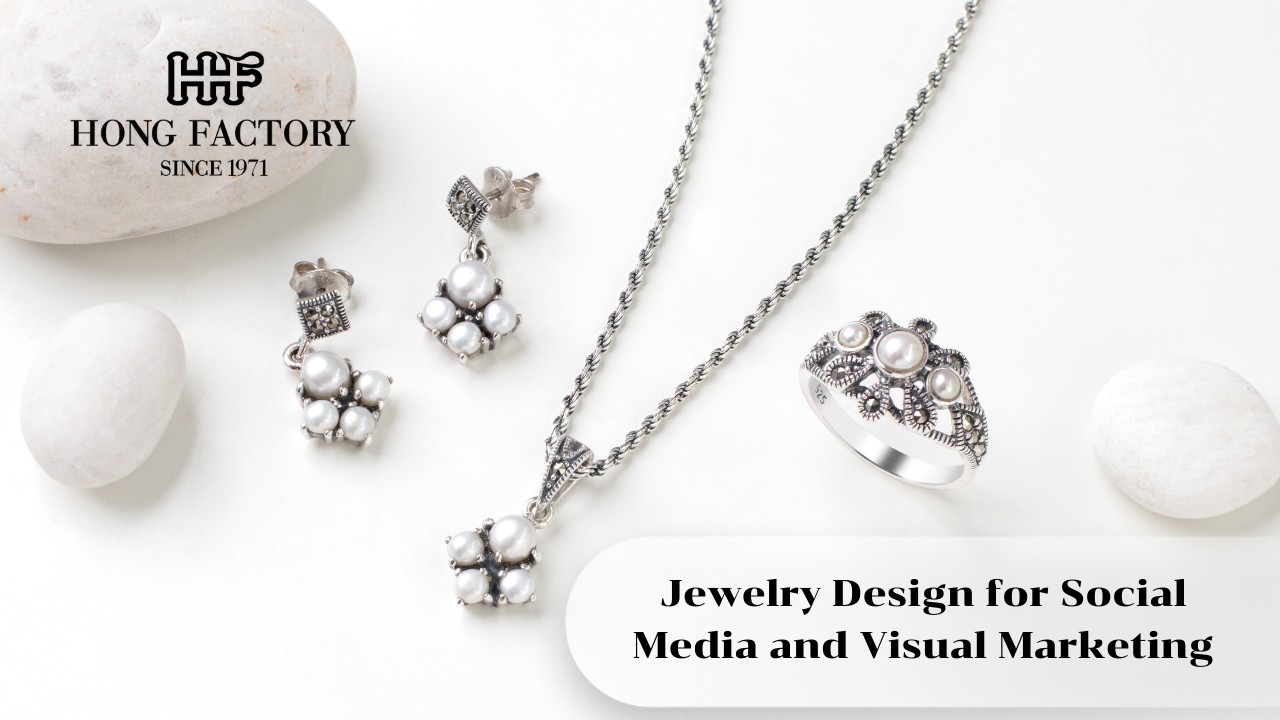
Silver and marcasite naturally photograph well due to reflective texture and detail.
The Importance of Silhouette and Shape
Shape defines recognition.
Silhouette-Based Design
Strong silhouettes help jewelry:
- Stand out against backgrounds
- Remain recognizable at small sizes
- Perform well in thumbnails and reels
Geometric, balanced, and intentional shapes perform best.
Using Texture and Detail for Close-Up Content
Detail drives engagement.
Macro-Friendly Design
Marcasite jewelry excels in:
- Close-up photography
- Texture-focused shots
- Craftsmanship storytelling
Dense but controlled detailing encourages zoom-ins and saves.
Designing for Different Social Media Platforms
Each platform rewards different visuals.
Instagram and Pinterest
Best for:
- Editorial imagery
- Styled lifestyle photos
- Flat-lay compositions
Designs should feel cohesive and aesthetically refined.
TikTok and Short-Form Video
Short video favors:
- Movement and light reflection
- Dangling elements or layered textures
- Pieces that catch light dynamically
Marcasite adds subtle shimmer that works well in motion.
E-commerce and Marketplaces
Designs should:
- Look clear on white backgrounds
- Show depth and detail
- Maintain consistent brand presentation
Design clarity improves click-through and trust.
Jewelry Design for Lifestyle and Styling Content
Context increases desirability.
Lifestyle-Friendly Designs
Jewelry should:
- Complement outfits easily
- Transition between casual and formal looks
- Avoid overpowering styling
Wearable designs perform better in lifestyle visuals.
Color and Contrast for Digital Visibility
Contrast improves clarity.
Digital Color Considerations
- Silver stands out against dark and neutral backgrounds
- Marcasite adds texture without glare
- Avoid overly reflective surfaces that cause visual noise
Controlled contrast improves visual readability.
Creating Shareable and Save-Worthy Designs
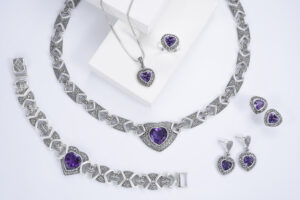
Engagement extends reach.
Jewelry that encourages saves and shares often:
- Features unique but simple design ideas
- Tells a story visually
- Feels collectible or meaningful
Distinctive design supports organic growth.
Consistency as a Visual Branding Tool
Consistency builds recognition.
Visual Consistency Through Design
Brands should maintain:
- Repeatable design elements
- Unified finishes and proportions
- Recognizable style across posts
Design consistency supports algorithmic visibility.
Jewelry Design and Influencer Collaboration
Design supports advocacy.
Influencers prefer jewelry that:
- Is easy to style
- Feels authentic to their aesthetic
- Photographs well without heavy editing
Designing with influencer use in mind expands exposure.
Social Media-Driven Product Development
Data informs design decisions.
Brands can analyze:
- Most saved or shared designs
- Engagement patterns by style
- Comments and audience feedback
These insights guide future design iterations.
Avoiding Common Social Media Design Mistakes
Mistakes reduce performance.
Mistakes to Avoid
- Overly complex designs that read poorly on screen
- Inconsistent finishes that confuse visuals
- Designs that rely only on physical presence
Digital-first thinking is essential.
Integrating Design, Photography, and Marketing
Design works best in harmony.
Successful brands align:
- Jewelry design
- Visual content strategy
- Brand storytelling
This integration amplifies impact across channels.
Long-Term Benefits of Social Media–Ready Jewelry Design
Design drives digital scalability.
Jewelry designed for social media:
- Gains organic visibility
- Reduces marketing friction
- Builds stronger brand recognition
Visual-friendly design supports long-term growth.
Conclusion
Jewelry design for social media and visual marketing requires clarity, intention, and adaptability. By focusing on silhouette, texture, contrast, and consistency, silver and marcasite jewelry brands can create designs that perform powerfully across digital platforms. In a visual-first marketplace, jewelry that communicates instantly and beautifully becomes not only wearable art—but a powerful marketing asset.